Decluttering Your Home: Freedom or Just Another Wellness Chore?
Over the last decade, decluttering has quietly become one of the pillars of modern self-improvement.
Open Instagram, Pinterest, or TikTok and you’ll find immaculate white cupboards, perfectly folded linen closets, and homes that look like they might echo if you spoke too loudly. The message is subtle but persistent: if you want a calmer life, you should probably own less stuff.
The promise is appealing.
Less clutter. Less stress. More peace.
But somewhere along the way, decluttering stopped feeling like a gentle reset and started to resemble another task on the endless list of things we’re supposed to do to optimise our lives.
So the question becomes: is decluttering actually good for us, or has it simply become another wellness chore?
Why Decluttering Became So Popular
The appeal of decluttering is easy to understand.
Our homes hold the physical evidence of our lives - purchases, hobbies, memories, unfinished projects, and sometimes the quiet accumulation of things we never meant to keep. When too many objects compete for our attention, our homes can begin to feel busy, even when we’re doing nothing at all.
Psychologists often talk about visual noise - the constant low-level stimulation our brains process when we’re surrounded by clutter. Even if we aren’t consciously thinking about the overflowing drawer or the pile of unopened mail, our brains register it.
This is one reason many people report feeling calmer after decluttering a space. Fewer objects can mean fewer visual distractions, less decision fatigue, and less mental background noise.
Practical life becomes easier too. Cleaning takes less time. Finding things is simpler. Everyday routines run a little more smoothly.
In this sense, decluttering isn’t really about owning less.
It’s about removing friction from daily life.
When Decluttering Becomes Another Expectation
But like many things in the wellness world, decluttering has slowly shifted from being a helpful tool to something that can feel like an expectation.
The internet has a way of turning helpful ideas into aesthetic standards. Minimalist homes began appearing everywhere - pale wood furniture, neutral palettes, carefully curated shelves with just enough space between objects to suggest effortless restraint.
These homes are beautiful.
They’re also not how most people naturally live.
Books pile up. Craft supplies migrate across tables. Kitchen drawers slowly accumulate odd utensils. Life leaves traces.
The pressure to constantly tidy, edit, and optimise our homes can sometimes create a strange paradox: the act meant to reduce stress becomes another task that produces it.
Suddenly decluttering isn’t something we do when a space feels heavy or chaotic. It becomes something we feel we should always be doing.
Another drawer to sort.
Another cupboard to purge.
Another round of “things I no longer serve.”
At that point, the pursuit of a peaceful home can start to resemble productivity culture in disguise.
The Things That Actually Matter
There’s also a quiet truth that minimalist aesthetics rarely acknowledge: objects can hold meaning.
Not everything in our homes needs to justify its existence through usefulness.
Books are a perfect example. Many readers keep novels they’ve already finished, not because they need them, but because they represent experiences. A memory of a winter afternoon spent reading. A story that changed something small but permanent in the way we see the world.
The same can be said for hobby supplies, photographs, art, inherited objects, or the mug that somehow makes morning coffee taste better.
A home stripped too far can lose the small signs of personality that make it comforting.
Decluttering can create space, but meaning often lives in the things we choose to keep.
A SelfCentred Approach to Decluttering
Maybe the real question isn’t whether decluttering is good or bad.
Maybe the better question is why we’re doing it in the first place.
If decluttering helps you breathe easier when you walk into a room, it’s probably worth doing.
If clearing a chaotic drawer gives you a small sense of control during a busy season of life, that’s valuable too.
But if decluttering starts to feel like a moral obligation - something you’re failing at if your shelves aren’t perfectly edited - it might be worth stepping back.
A SelfCentred home isn’t minimalist.
It’s intentional.
It’s a space that supports the life you actually live, rather than the one that photographs well.
That might mean keeping your bookshelves full because reading is part of who you are. It might mean leaving art supplies within reach because creativity happens more easily when it isn’t packed away.
At the same time, it might mean letting go of the objects that quietly create friction — the cupboard full of things you never use, the pile of “someday” items that has followed you through three house moves.
The goal isn’t to own as little as possible.
The goal is to make room for the things that matter.
A Home That Feels Like Yours
Decluttering can absolutely create calm. But calm doesn’t come from empty shelves or perfectly styled pantries.
It comes from living in a space that feels supportive rather than overwhelming.
Sometimes that means letting things go.
Sometimes it means keeping the things that bring you comfort, creativity, or joy - even if they wouldn’t make it into a minimalist home tour.
The most peaceful homes aren’t the ones with the least stuff.
They’re the ones that feel unmistakably like the people who live in them.
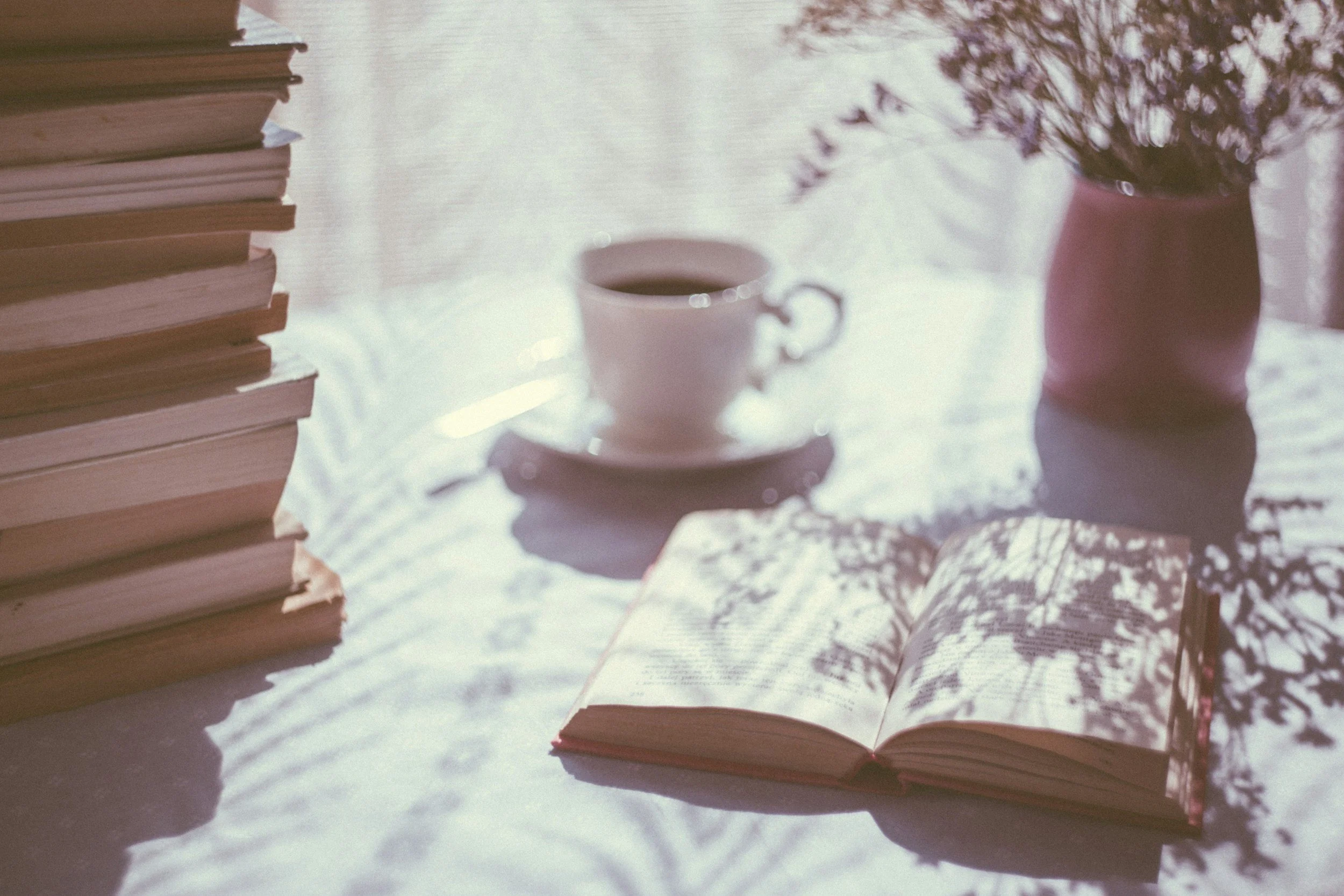
Further Reading: Thoughtful Books on Decluttering and Intentional Living
If the idea of a calmer, more intentional home resonates with you (but strict minimalism doesn’t) - these books explore how our belongings shape our lives, and how letting go of excess can create more space for what matters.
Decluttering at the Speed of Life | Dana K. White
This practical and reassuring book offers a realistic approach to creating a calmer home without striving for perfection. Dana White focuses on simple, manageable strategies that help reduce overwhelm and build sustainable habits over time. Rather than aiming for a minimalist aesthetic, her method encourages progress at your own pace - making space for a home that feels supportive, functional, and genuinely lived in.
Digital Minimalism | Cal Newport
While focused on technology rather than physical possessions, this book explores the same core idea: removing unnecessary noise from our lives so we can focus on what truly adds value. Newport’s approach encourages intentional living in a world that constantly competes for our attention - a philosophy that applies just as easily to our homes as it does to our screens.
Goodbye, Things: The New Japanese Minimalism | Fumio Sasaki
Sasaki shares his personal journey from living with overwhelming clutter to embracing a simpler lifestyle. His story isn’t about achieving a perfectly minimalist home, but about discovering how reducing unnecessary possessions can create more mental space, freedom, and clarity in everyday life.
As an Amazon Associate, I earn from qualifying purchases. I only recommend products I genuinely love and think you'll enjoy too. Read the full disclosure → Click Here
Question for you:
Do you find decluttering calming, or does it feel like just another thing on the to-do list?
Take care of yourself,
Bec 💛