Low-Effort Meals for Hot, Overstimulated Days

While half the world is currently in the throes of winter, here in Australia it’s hot — damn hot.
As I’m writing this, Melbourne is in the middle of a heatwave. Fire danger ratings are set to catastrophic; temperatures are pushing past 43°C (109°F), winds are strong, and fires are breaking out across the state.
For the most part, we’re indoors with the air-conditioning on, doing as little as possible. A cool change is forecast later this afternoon, and I hope it not only brings relief to Melbourne, but gives emergency services the support they need to gain control of fires across the state.
When the heat is unrelenting, the will to do anything drops — especially turning on the oven or stovetop. Increasing the temperature inside is simply not on the cards, and that’s often when overwhelm starts to creep in.
When heat + overwhelm mess with your appetite
There’s a very specific kind of summer exhaustion that doesn’t come from doing too much — it comes from everything feeling like too much.
The heat is relentless. Your skin feels wrong. Noise feels louder. Decisions feel heavier. And somewhere in the middle of all that, you’re meant to answer the question: What do I want to eat?
For a lot of us, the answer is…nothing. Or everything feels wrong. Or the thought of cooking makes you want to lie down on the kitchen floor and reconsider all your life choices.
This isn’t a lack of discipline, motivation, or ability to adult. Your nervous system is simply done — and this is one of the ways it lets you know.
Why summer makes “normal eating” harder
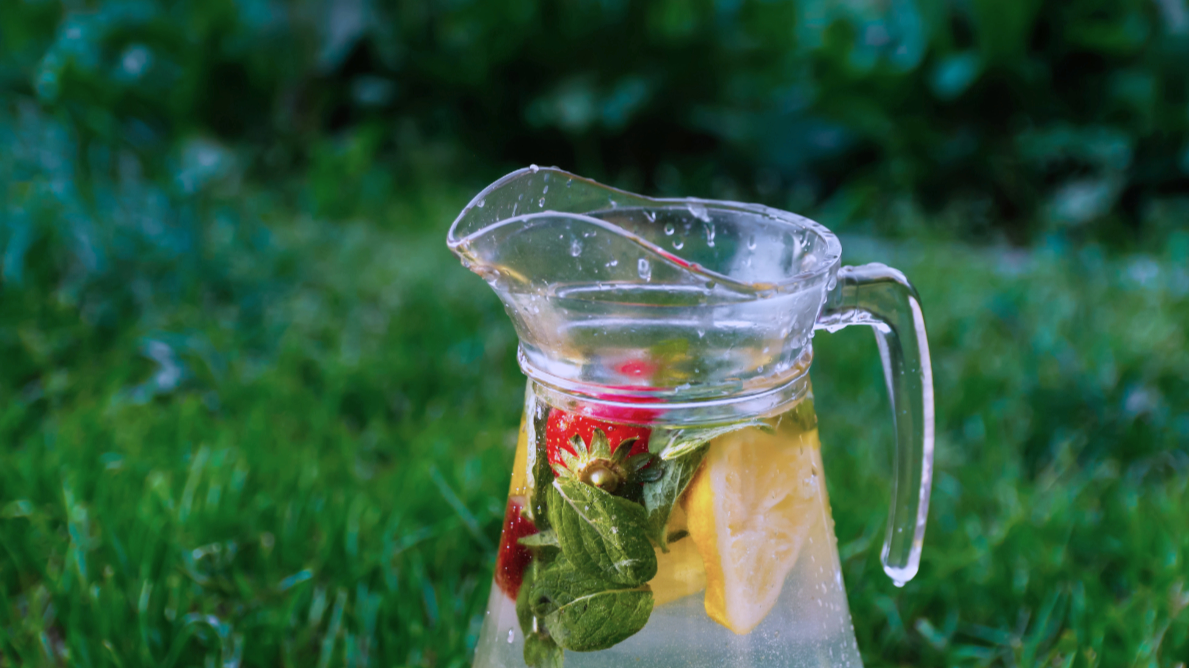
In hot weather, our bodies naturally reduce appetite and shift food preferences toward lighter, cooler, lower-fat options. This is an evolutionary response designed to regulate body temperature (thermoregulation).
Digestion itself generates heat. So when your body is already working overtime to stay cool, it often steers you away from foods that take more effort to digest, favouring hydrating, easier-to-digest options instead. In winter, this flips — we tend to crave denser, more heat-generating foods to help keep us warm.
The result? Your usual go-to meals may suddenly feel completely wrong. And that mismatch can create real decision fatigue around eating.
Heat affects appetite more than we give it credit for. When your body is already managing temperature regulation, digestion can feel like extra effort. Add sensory overload, disrupted sleep, and the general end-of-year fatigue that creeps in, and suddenly the way you usually eat just doesn’t fit.
Summer often comes with:
Reduced hunger cues
Aversive reactions to heavy or hot foods
Decision fatigue (planning meals feels harder than usual)
Less tolerance for texture, smell, or strong flavours
So if you can’t stand the idea of your usual meals, it’s not that you’ve “fallen off track”. It’s that your body is asking for something different.
Adjusting meals when cooking feels impossible
This is the season to lower the bar. Not temporarily — intentionally.
Instead of asking “What should I cook?”, try asking:
What requires the least effort right now?
What feels neutral or soothing rather than exciting?
What can I eat without standing over heat?
Meals don’t need to be hot, elaborate, or even particularly interesting to be valid. They just need to get you fed.
Think assembly over cooking. Cold over hot. Familiar over aspirational.
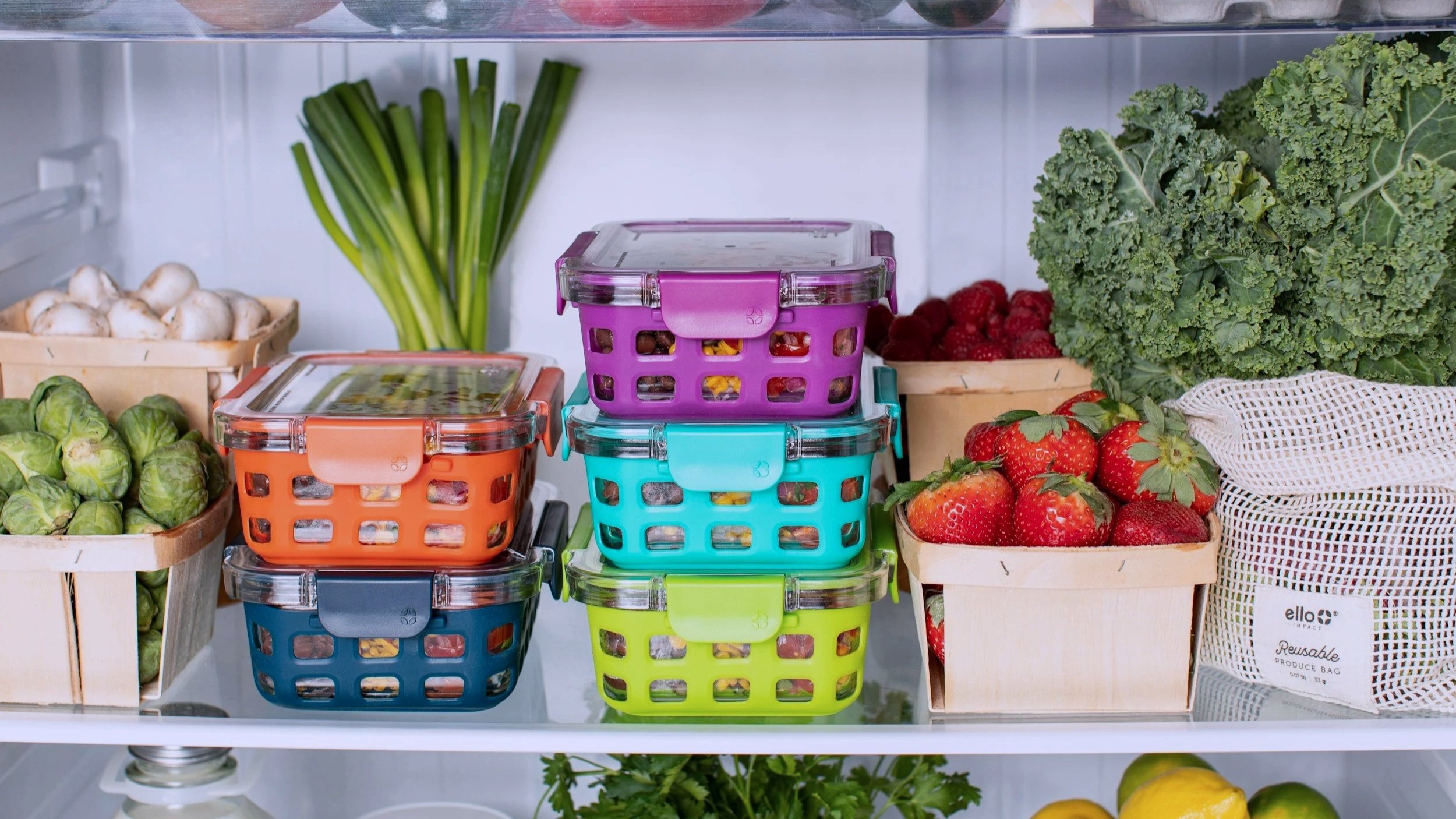
Cooling, soft, low-effort food categories (not recipes)
Rather than lists of meals you’ll never make, here are types of foods that tend to work better on hot, overstimulated days. Use them as building blocks, not rules.
Cooling foods
Chilled, room-temperature, or water-rich foods that reduce overall heat load.
Soft or low-chew foods
When textures feel overwhelming, softer foods reduce sensory effort.
Neutral flavours
Less spice, less intensity, less decision-making for your taste buds.
Grab-and-go options
Food you can eat straight from the fridge, cupboard, or packet counts.
Small portions, eaten more often
You don’t have to sit down to a full plate if that feels like too much.
If a food feels acceptable rather than exciting, that’s a win.
Hydration - without turning it into a project
Summer hydration advice can get intense very quickly.
You don’t need a colour-coded bottle, a reminder app, and a spreadsheet to prove you’re doing it right.
Some gentle reframes:
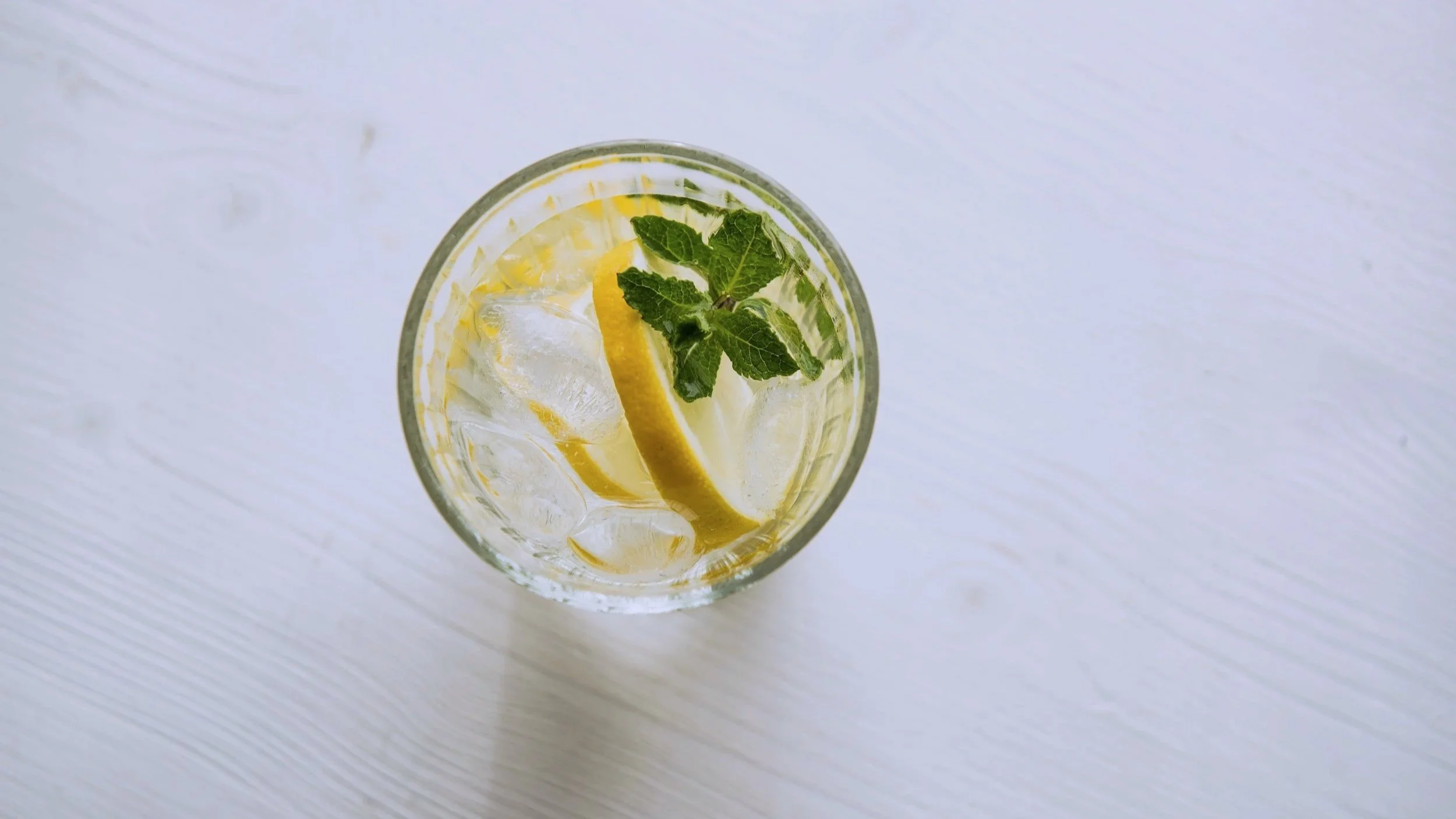
Fluids include more than water (tea, milk, broth, icy drinks, juicy foods)
Cold drinks can be more appealing — lean into that
Sipping counts, even if you forget for hours and then remember
If adding electrolytes helps, great. If plain water is all you can tolerate, also great. This isn’t about optimisation — it’s about making hydration easier, not louder.
Personally, I’m happy with icy cold water (and coffee — always coffee). Most of my family, however, are not big water fans. So we negotiated a sugar-free cordial concentrate. They get flavours they enjoy; I get peace of mind that the people I love aren’t quietly dehydrating. Everyone wins.
Do what you need to do to keep fluids up.
Eating enough when nothing sounds good
This is often the hardest part.
When appetite is low, the goal shifts from “balanced meals” to adequate intake. That might look like:
Eating something small, then reassessing later
Prioritising foods you can tolerate over foods you think you should eat
Repeating the same safe options without guilt
Consistency matters more than variety in these moments.
If you eat the same thing three days in a row because it’s the only thing that works — that’s not a problem. That’s responsiveness.
Some simple ideas for when you’re too spent to think:
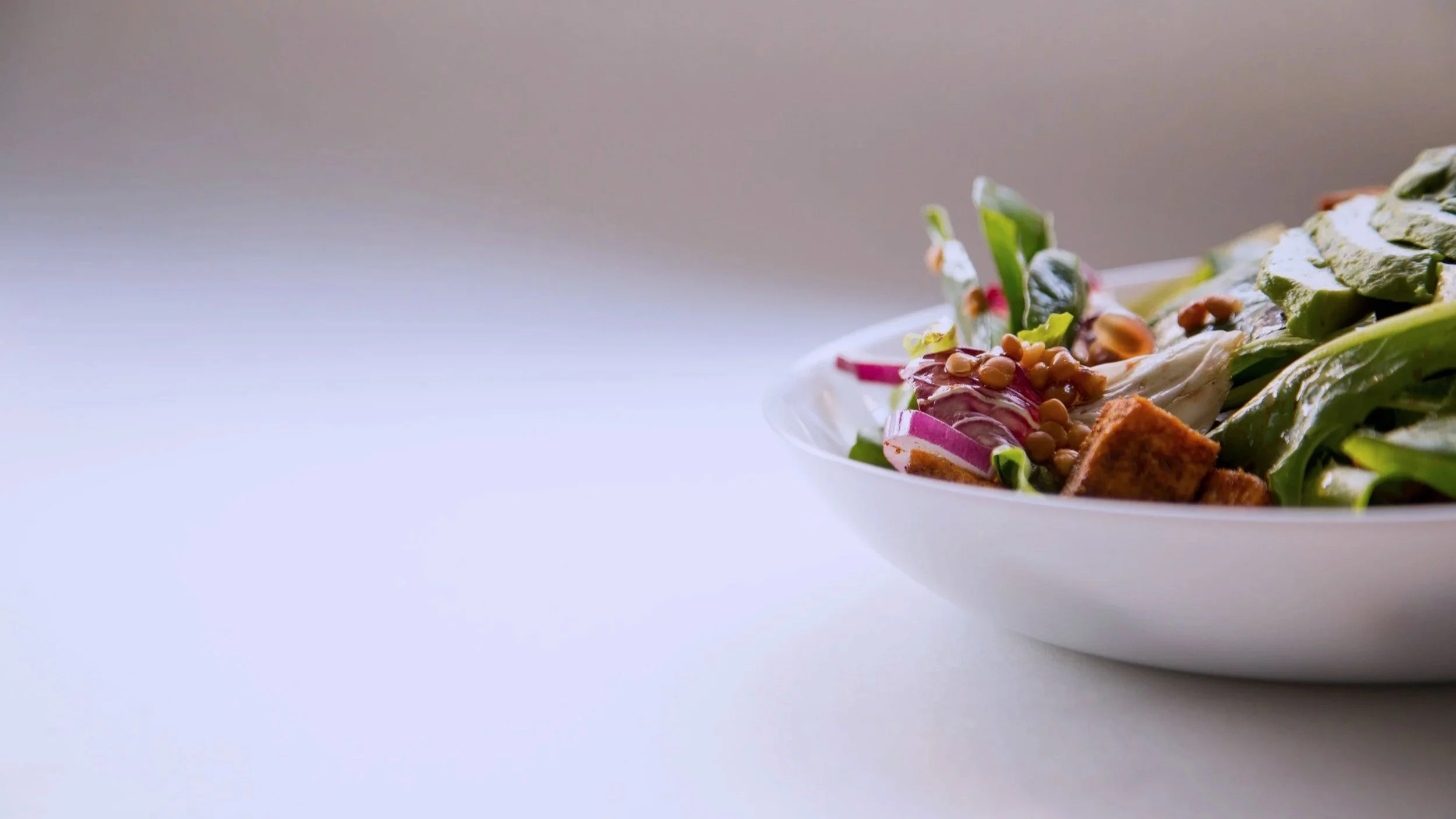
Salads as a full meal — Start with a base of vegetables you enjoy, add protein (chickpeas, cold chicken, cold meats, or even something warm if you have the capacity), then finish with feta or a dressing you genuinely like.
Toast, but a little extra — Top with anything. A favourite hot-day option: hummus or chickpea–avocado mash (lemon juice, crushed garlic, salt and pepper), baby spinach, tomato, and everything-but-the-bagel seasoning.
Throw-together bowls — Microwave rice, chopped vegetables (tomato, carrot, cucumber, pickled onion, herbs — whatever works), pre-cooked chicken, canned salmon, beans or chickpeas, and a sauce you love. Spicy tahini and teriyaki are reliable favourites.
If you like these ideas, check out this post here - Throw Together Meals for Low-Energy Days
It’s packed full of ideas for simple, easy to prepare, nourishing meals and comes with the free ‘Nourish Pack’ guide. A printable I designed for you, full of recipes and a breakdown of my “Can’t Even” Meal Framework to help make minimum effort meals in 10 minutes or less, with whatever you have on hand.
Final thoughts
Summer isn’t the time to muscle your way through food rules that don’t fit your body’s current reality.
If your body wants cooler, simpler, softer, less — listen.
You’re not failing at nourishment because your needs have shifted. You’re adapting.
This season doesn’t require perfect balance. It asks for gentleness, flexibility, and a willingness to choose ease over optimisation.
And sometimes, feeding yourself at all is the most regulated choice you can make.
Bec x